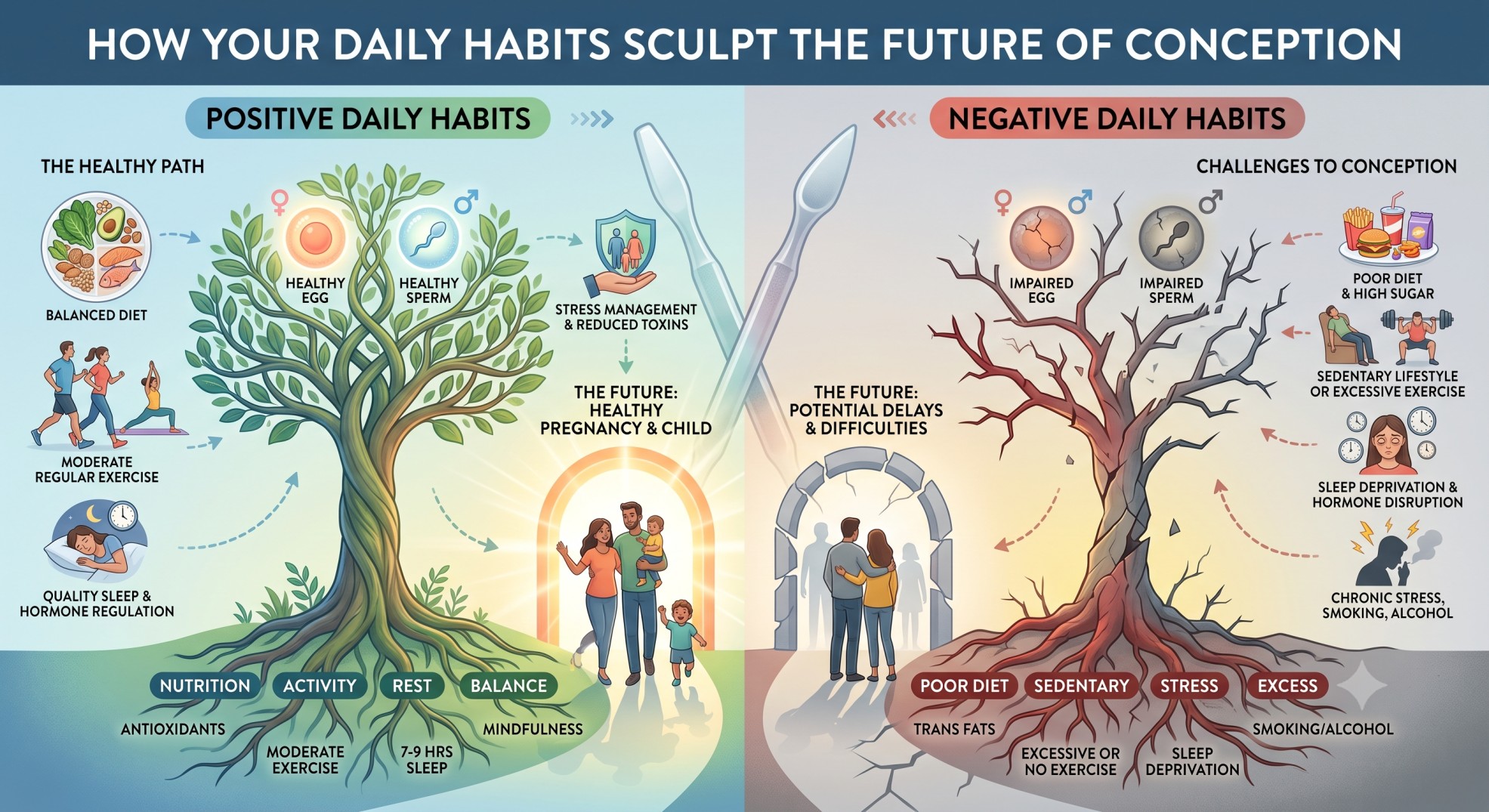
The Cortisol Cascade: Decoding Stress's Biological Impact on Semen Quality
Stress presents a deceptively simple challenge to reproductive health; however, its physiological impact is profoundly intricate and systemic. When an individual experiences chronic stress, the body activates the hypothalamic-pituitary-adrenal (HPA) axis, a sophisticated alarm system designed for survival in adverse environments. While this mechanism serves us well during acute threats, sustained activation compromises delicate biological processes like spermatogenesis.
Specifically, persistent psychological or physical strain triggers a continuous flood of cortisol, the primary stress hormone. Cortisol acts as an endocrine disruptor, signaling to the body that resources must be diverted toward immediate survival rather than long-term reproductive investment. Furthermore, this heightened state directly interferes with the intricate feedback loops governing male hormonal production. The pituitary gland releases luteinizing hormones (LH) and follicle-stimulating hormones (FSH), which signal the testes to produce testosterone and initiate sperm development. Chronic cortisol exposure often dampens the sensitivity of these receptors or suppresses the release of Gonadotropin-Releasing Hormone (GnRH) from the hypothalamus, the master switch for reproduction.
In other words, when the HPA axis runs in overdrive, it sends a signal that temporarily deprioritizes reproductive output. As a result, men often experience measurable shifts in their semen parameters. Researchers consistently link elevated cortisol levels to decreased sperm count (oligospermia), reduced sperm motility (asthenozoospermia, sperm unable to swim effectively), and altered morphology (abnormal shapes).
Moreover, stress does not just affect the quantity of sperm; it influences the quality at a cellular level. High stress can induce oxidative stress within the testicular tissue. Oxidative stress occurs when an excess of unstable free radicals damages vital cellular components, particularly the DNA packaged within the developing germ cells. Since the integrity of this DNA is paramount for successful fertilization, even subtle elevations in chronic stress threaten genetic viability.
Therefore, addressing stress moves beyond simply "feeling better." It becomes a measurable physiological intervention designed to restore hormonal homeostasis. The goal is not the complete elimination of stress, a natural response to life’s demands but rather the cultivation of resilience, allowing the HPA axis to operate within healthy parameters so that the reproductive system can function optimally. Subsequently, this systemic restoration paves the way for improved sperm production and increased conception viability.
The Circadian Rhythm and Cellular Repair: Sleep’s Undervalued Role in Spermatogenesis
If stress is the metabolic inhibitor, poor sleep serves as the cellular derailer. Sleep provides more than simply a period of inactivity; it facilitates profound physiological repair, hormonal balancing, and metabolic reset. Indeed, adequate, high-quality sleep represents one of the most potent yet easily neglected fertility enhancers. The timing—or quality—of your rest directly impacts the endocrine environment necessary for healthy germ cell development. During deep sleep cycles (Non-REM stages), the body releases significant quantities of growth hormone and optimizes metabolic repair processes across all tissues. Furthermore, this phase supports testicular tissue regeneration and hormonal balance. Testosterone, a primary driver of spermatogenesis, maintains optimal production rates when the body enters deep restorative slumber. Chronic sleep debt actively disrupts these cycles. Conversely, insufficient or fragmented sleep often characterized by late nights, screen time exposure, or restless periods disrupts the body’s natural circadian rhythm. This disruption sends confusing signals to the brain, inhibiting the synchronized release of reproductive hormones. Specifically, when the timing of hormone release falters, the entire process of spermatogenesis suffers a ripple effect.In addition to this hormonal interference, inadequate sleep profoundly impacts cellular energy and oxidative defense systems. Sleep is the body’s critical period for clearing metabolic waste products and boosting antioxidant defenses. When we consistently sacrifice sleep, we compromise these internal cleansing mechanisms. Consequently, sperm cells face a higher burden of reactive oxygen species (ROS)—those highly unstable molecules that inflict DNA damage.
To elaborate on this risk: Sperm are miniature cellular factories tasked with delivering genetic material. The journey from spermatogonia in the testis to mature spermatozoon is arduous and requires immense energy and flawless molecular integrity. Sleep deprivation starves these processes of necessary resources, compromises the cell’s ability to defend itself against damage, and slows down the overall maturation timeline.
Therefore, prioritizing sleep hygiene, establishing a consistent schedule, creating a dark and cool sleeping environment, and limiting stimulating substances before bedtime is not a luxury; it is a critical component of fertility optimization. Moreover, recognizing that biological repair happens during rest helps individuals shift their mindset: Sleep does not waste time; it actively invests in reproductive health.