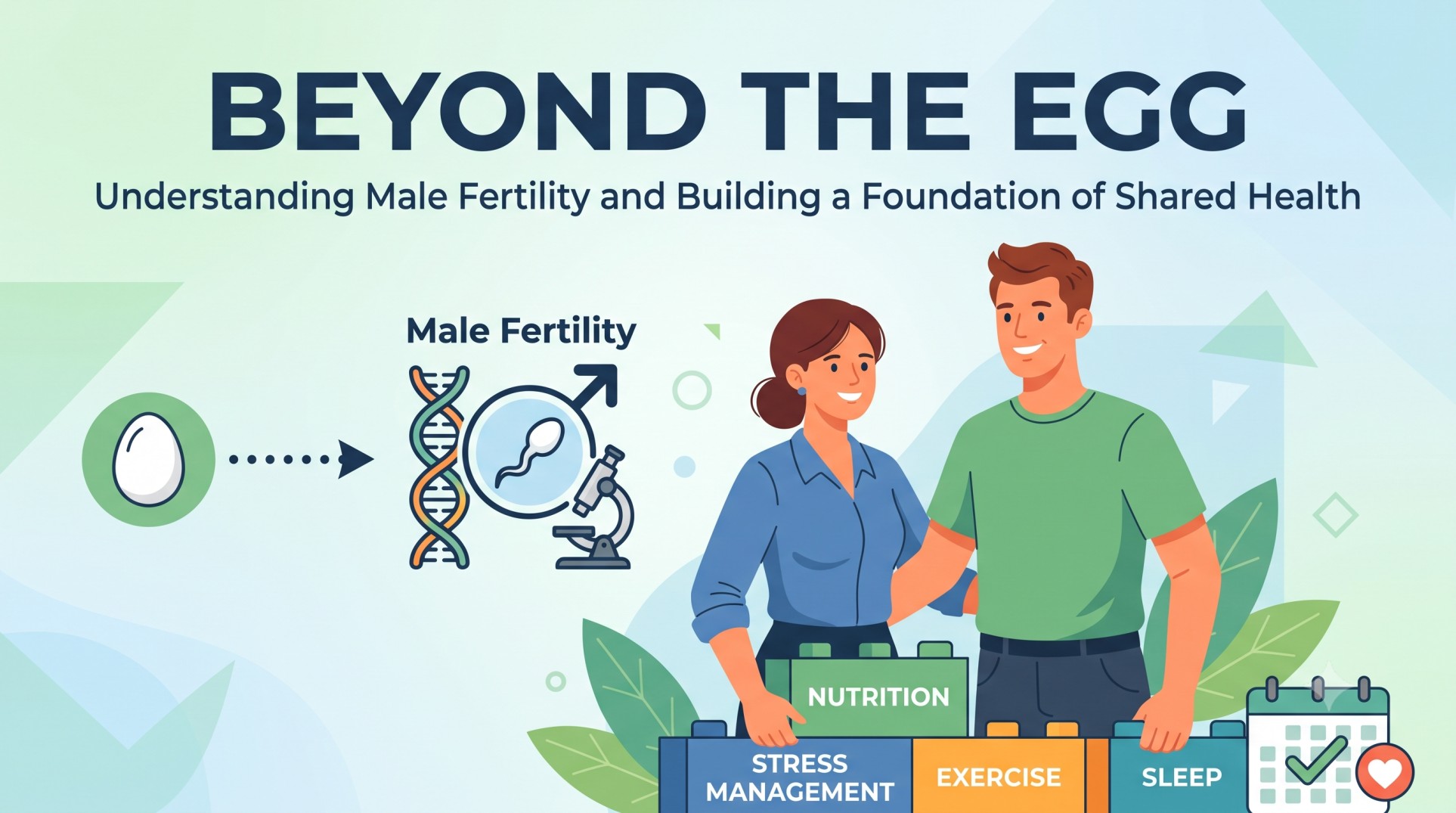
The Science Snapshot: More Than Just Semen
When we discuss male fertility, we are talking about far more than just counting swimmers in a tube. We are discussing the complex journey that starts with testicular health and culminates in viable sperm capable of fertilization. The process involves hormonal regulation, DNA integrity, temperature sensitivity, and nutrition, all factors contributing to healthy sperm count,motility (movement), and morphology (shape).
Understanding Semen Analysis: What Does It Mean?
If you are concerned about conception timelines or have been advised by a healthcare provider, the first step is often understanding the baseline. This brings us to the semen analysis.
What is it? Simply put, it’s a non-invasive lab test that examines a sample of semen under a microscope. What does it tell you? It measures key metrics:
- Volume: The total amount of ejaculate.
- pH Level: Indicates overall balance.
- Sperm Count: How many sperm are present.
- Motility: The percentage of sperm that are moving correctly (critical for reaching the egg).
Understanding this analysis empowers conversation and helps both partners know where to focus efforts, whether it’s lifestyle adjustments or medical consultation. It is a crucial tool in understanding semen analysis.
Pillars of Peak Performance: Optimizing Sperm Health
Much like any biological system, male fertility responds remarkably well to proactive care. Optimization isn't about "fixing" something that is broken; it’s about supporting what is already strong. Here are the pillars to focus on for optimizing sperm health.
🌡️ The Temperature Connection
Sperm are highly sensitive creatures. Excessive heat exposure can negatively impact testicular function and sperm production.
Watch out for: Hot tubs, prolonged use of laptops placed directly on the lap, sauna sessions (if done too frequently), and tight-fitting clothing that restricts airflow.The Fix: Allowing skin to breathe, keeping work stations ventilated, and taking regular breaks are simple acts of support.
🍎 The Nutritional Edge: Diet Matters
Diet plays a massive role in providing the raw building blocks for sperm DNA. This isn't about fad diets; it’s about consistent, nutrient-dense eating.
- Key Nutrients: Zinc (essential for testosterone production), Folate, Vitamin C, and antioxidants (found in colorful fruits and dark leafy greens).
Focus On: Whole foods, reducing processed sugars, incorporating omega-3 fatty acids (fatty fish like salmon), and staying well-hydrated.
💪 Lifestyle Habits: Exercise, Stress, and Toxins
This pillar encompasses everything from what you drink to how you sleep.
Stress Management: Chronic stress elevates cortisol, which can interfere with reproductive hormones. Incorporating mindfulness, deep breathing, or enjoyable movement is vital.Substance Awareness: Excessive alcohol consumption, smoking, and recreational drug use are known disruptors of hormonal balance and sperm health. Moderation is key for both partners.
Weight Management: Maintaining a healthy BMI supports overall endocrine function.
🤝 The Partnership Perspective: Making it Teamwork
The most important shift in perspective is realizing that male fertility support is partnership support.
When the conversation shifts from "Whose fault is this?" to "How can we build our optimal health together?" the entire dynamic changes.
For the Couple:
Communication is Key: Talk openly about these topics without fear or blame. Treating your fertility journey like a shared project reduces anxiety, which, ironically, can be physically detrimental.
Sync Your Routines: Consider making lifestyle improvements together. If one partner starts cooking more nutritious meals, the other should benefit. A joint commitment to movement is far stronger than individual efforts.
When Should We Talk to a Doctor?
Knowing when professional help is needed demystifies the process and reduces unnecessary anxiety. Consult with your healthcare provider if:
1- You have concerns about male fertility issues and want baseline data (start with a semen analysis).
2- One or both partners have unexplained difficulties conceiving after 12 months of regular, unprotected intercourse.
3- There are noticeable changes in ejaculate volume, color, or frequency.
Fertility is a deeply complex and beautiful biological collaboration. By validating the vital role of male health—from optimizing sperm counts to understanding hormonal balances—we move away from outdated narratives and toward genuine partnership care. Embracing knowledge about male fertility issues empowers us both. By treating our bodies with proactive curiosity, we don’t just improve our chances; we strengthen the bond built on mutual support.