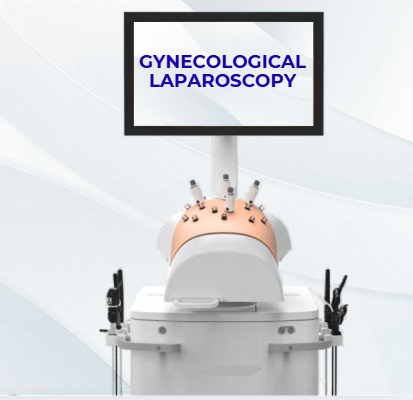
Services / gynecological-laparoscopy

Gynecological Laparoscopy in Vadodara

Resolve gynecological issues with state-of-the-art laparoscopic surgery. Enjoy less pain, shorter hospital stays, and a rapid recovery.

Precision-Focused Specialized Gynecological Care
Gynecological Laparoscopy in Vadodara
Minimally Invasive
Lower Complications
Faster Recovery

Gynecological Laparoscopy in Vadodara

Gynecological laparoscopy is a minimally invasive surgical technique used to diagnose and treat conditions affecting the female reproductive system, including the uterus, ovaries, fallopian tubes and surrounding pelvic structures.

Instead of making a large abdominal incision, laparoscopic surgery is generally performed through a few small incisions. A thin instrument called a laparoscope, fitted with a camera and light source, allows the surgeon to view the pelvic organs on a monitor and perform the required treatment using specialised surgical instruments.

Dr. Yuvraj Singh Jadeja provides gynecological laparoscopy in Vadodara for women who may require evaluation or surgical treatment for conditions such as endometriosis, ovarian cysts, uterine fibroids, pelvic adhesions, ectopic pregnancy, infertility and certain causes of chronic pelvic pain. The decision to perform laparoscopy depends on the patient's symptoms, diagnosis, medical history, imaging findings and future reproductive plans. Not every gynecological condition requires surgery, which is why a detailed evaluation is an important first step.

When might a gynecologist recommend laparoscopy?

A gynecologist may consider laparoscopic evaluation when a woman has:

1- Persistent or unexplained pelvic pain

2- Suspected endometriosis

3- An ovarian cyst requiring surgical management

4- Certain uterine fibroids

5- Pelvic adhesions or scar tissue

6- An ectopic pregnancy

7- Fertility problems requiring further evaluation

8- Blocked or abnormal fallopian tubes

9- A pelvic mass requiring investigation

10- A condition requiring removal of an ovary or fallopian tube

11- A gynecological condition for which laparoscopic hysterectomy may be appropriate

In fertility and infertility care, laparoscopy can sometimes provide information that imaging alone cannot. It allows direct assessment of the pelvis and may identify problems such as endometriosis, adhesions or abnormalities involving the fallopian tubes.

However, laparoscopy is not routinely required for every woman experiencing infertility. The need for surgery should be decided after considering previous investigations, symptoms and the couple's fertility treatment plan.

Conditions That Can Be Diagnosed or Treated With Gynecological Laparoscopy

  • 01
    Endometriosis
    Endometriosis occurs when tissue similar to the lining of the uterus grows outside the uterus. It may be associated with painful periods, chronic pelvic pain, pain during intercourse and difficulty conceiving. Laparoscopy allows the pelvis to be directly examined for areas of suspected endometriosis. Depending on the location and extent of disease, visible endometriotic tissue may also be treated surgically.
  • 02
    Ovarian cysts
    Many ovarian cysts are harmless and resolve without surgery. However, surgery may be considered when a cyst is persistent, large, symptomatic or has characteristics that require further evaluation. A laparoscopic ovarian cystectomy involves removing the cyst while attempting to preserve healthy ovarian tissue whenever clinically appropriate.
  • 03
    Uterine fibroids
    Fibroids are usually benign growths arising from the muscle of the uterus. They may cause heavy menstrual bleeding, pelvic pressure, pain or reproductive problems. Depending on their size, number and location, certain fibroids may be suitable for laparoscopic myomectomy, a procedure in which fibroids are removed while preserving the uterus. Not all fibroids can or should be treated laparoscopically. Surgical planning depends on the individual pattern of fibroids and the patient's reproductive goals.
  • 04
    Pelvic adhesions
    Adhesions are bands of scar tissue that can develop following previous surgery, infection, inflammation or endometriosis. They can cause pelvic organs to become attached to one another and may sometimes contribute to pain or fertility problems. Laparoscopic adhesiolysis may be performed to carefully divide these adhesions when treatment is considered clinically beneficial.
  • 05
    Ectopic pregnancy
    An ectopic pregnancy occurs when a pregnancy develops outside the uterus, most commonly in a fallopian tube. Some ectopic pregnancies require urgent surgical management. Depending on the clinical situation, laparoscopy can be used to treat an ectopic pregnancy and manage the affected fallopian tube.
  • 06
    Laparoscopic hysterectomy
    For selected patients who require removal of the uterus, a hysterectomy may sometimes be performed using a laparoscopic approach rather than conventional open abdominal surgery. The most appropriate surgical method depends on factors including the underlying condition, previous surgery, uterine size and overall health.

Benefits, Recovery and Possible Risks of Gynecological Laparoscopy

  • Compared with conventional open abdominal surgery, laparoscopic surgery may offer several advantages in appropriately selected patients, including:

    • Smaller abdominal incisions

    • Less postoperative discomfort in many cases

    • Smaller scars

    • Shorter hospital stay for many procedures

    • Earlier mobilization

    • Faster recovery compared with equivalent open surgery

    • Earlier return to normal daily activities for many patients

    The actual recovery period varies considerably depending on whether the laparoscopy was purely diagnostic or involved more extensive surgery.

  • What is recovery like after laparoscopy?

    After surgery, some patients experience mild abdominal discomfort, bloating, tiredness or shoulder-tip pain caused by the gas used during the procedure. Many diagnostic or relatively minor laparoscopic procedures allow discharge on the same day or the following day. More complex surgery may require longer observation or hospitalisation. Patients are generally encouraged to gradually resume walking and normal daily activity while avoiding strenuous exercise or heavy lifting until advised by their doctor. Recovery should be viewed individually. A diagnostic laparoscopy, ovarian cyst surgery, extensive endometriosis surgery and laparoscopic hysterectomy do not have identical recovery timelines.

  • Are there risks?

    All surgical procedures carry potential risks.

    Possible complications of laparoscopy include bleeding, infection, injury to nearby organs or blood vessels, problems related to anaesthesia, wound complications and, rarely, the need to convert from laparoscopic surgery to open surgery. Before surgery, the expected benefits, alternatives and individual risks should be discussed with the treating doctor.

Gynecological Laparoscopy in Vadodara: Consultation and Frequently Asked Questions

For women considering gynecological laparoscopy in Vadodara, the first step is establishing whether surgery is actually required and which surgical approach is most appropriate. Dr. Yuvraj Singh Jadeja evaluates the patient's symptoms, clinical history, ultrasound or other imaging, previous treatments, previous surgeries and reproductive goals before recommending a treatment strategy.

This is particularly important for women planning pregnancy or undergoing fertility treatment, where preserving reproductive anatomy and understanding the relationship between a gynecological condition and fertility may influence surgical planning.

Is gynecological laparoscopy a major surgery?

Laparoscopy is a minimally invasive surgical approach, but the complexity of the operation depends on what is being treated. A diagnostic laparoscopy is very different from extensive endometriosis surgery or a laparoscopic hysterectomy.

Can laparoscopy help diagnose infertility?

Yes. In selected cases, laparoscopy can help identify pelvic conditions associated with infertility, such as endometriosis, adhesions and abnormalities involving the fallopian tubes. It is not required in every infertility evaluation.

Can endometriosis be treated during laparoscopy?

In many cases, suspected endometriosis can be identified during laparoscopy and visible disease may be treated during the same procedure. Treatment depends on the location and extent of the disease and the patient's symptoms and fertility plans.

How long do I need to stay in hospital after gynecological laparoscopy?

Some patients undergoing minor laparoscopic procedures can return home the same day or the following day. More extensive procedures may require a longer hospital stay. Your surgeon will explain the expected admission and recovery period before surgery.

When can I return to work after laparoscopy?

Return to work depends on the procedure performed, the physical demands of your occupation and how you recover. Someone undergoing a small diagnostic procedure may return considerably earlier than someone having major laparoscopic surgery.

Is laparoscopy suitable for every gynecological condition?

No. Although laparoscopy is useful for many gynecological conditions, open surgery, hysteroscopy, medical treatment or observation may be more appropriate in some situations.

When should I consult a gynecologist?

Consider consulting a gynecologist if you experience persistent pelvic pain, unusually painful periods, heavy menstrual bleeding, recurrent ovarian cysts, suspected endometriosis, unexplained infertility or if another doctor has advised you to consider gynecological surgery.

A consultation does not automatically mean surgery will be required. The objective is to understand the underlying condition and determine the most appropriate treatment based on your diagnosis, symptoms and reproductive plans.

For evaluation and treatment of conditions that may require gynecological laparoscopy in Vadodara, you can consult Dr. Yuvraj Singh Jadeja to discuss your diagnosis, available treatment options and whether a minimally invasive laparoscopic approach is appropriate for you.

How your journey
unfolds with us

A clear, step-by-step process so you always know what to expect — no surprises, no pressure.

01

Initial Consultation

Meet Dr. Yuvi for a comprehensive first discussion about your history, goals, and the best path forward.

02

Diagnostic Workup

Thorough investigations for both partners including hormonal, ultrasound, and genetic profiling as needed.

03

Personalised Protocol

A tailored treatment plan designed specifically around your diagnosis, age, and family goals.

04

Ongoing Support

Continuous monitoring and emotional support at every cycle, every step, until your goal is achieved.

Still Unsure?

Let's find the right pathway for you

Our patient coordinators are here to listen without judgment and guide you toward the most appropriate care — at no pressure, whatsoever.